

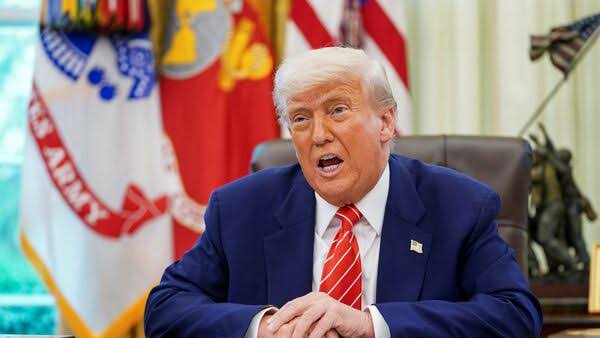
🔴 Introduction: A Travel Ban That Shook the World
In a bold and controversial move, former President Donald Trump has reignited global debate with a sweeping travel ban targeting 19 countries, mostly from Africa, Asia, and the Middle East. The newly announced visa restrictions have reignited memories of his 2017 “Muslim Ban” and sparked intense international criticism.
Trump cited national security and terrorism concerns as the motivation, but critics are calling it discriminatory, racially biased, and politically charged.
—
🌍 Which Countries Are Affected by the 2024 Trump Travel Ban?
✅ Full Travel Bans Imposed on These 12 Nations:
Afghanistan
Myanmar
Chad
Republic of Congo
Equatorial Guinea
Eritrea
Haiti
Iran
Libya
Somalia
Sudan
Yemen
⚠️ Partial Visa Restrictions Imposed on 7 Countries:
Burundi
Cuba
Laos
Sierra Leone
Togo
Turkmenistan
Venezuela
These travel restrictions primarily affect majority-Muslim and developing nations, with critics pointing out the racial and political undertones of the policy.
—
🗣️ Reactions from Around the World: Condemnation and Concerns
From Somalia to Venezuela, international leaders have condemned the ban. Venezuela’s Interior Minister Diosdado Cabello labeled the U.S. government as “fascist,” adding that it persecutes innocent people without reason.
In response to the ban, the African Union Commission urged the U.S. to reconsider the decision and maintain a “balanced, evidence-based approach that reflects the decades-long partnership between the U.S. and Africa.”
Even humanitarian organizations like Amnesty International voiced opposition, calling the ban “racist, discriminatory, and downright cruel.”
—
🇺🇸 Why the Trump Administration Claims the Ban Is Necessary
The White House defended the ban, claiming the affected countries:
Have high rates of visa overstays
Lack proper screening and vetting systems
Are potential terrorism sponsors
Trump further justified the policy by referencing a recent antisemitic attack in Colorado involving an Egyptian national (not on the ban list), saying it highlights gaps in national security.
—
🔍 Experts Call It a Return of the “Muslim Ban”
Shawn VanDiver, president of Afghan advocacy group #AfghanEvac, described the move as:
> “Political theater… a second Muslim Ban dressed up in bureaucracy.”
Others echoed concerns that the ban disproportionately affects countries with less political and diplomatic leverage, while sparing U.S. allies like Egypt and Saudi Arabia — despite ongoing security concerns in those nations.
—
📉 Impact on Refugees and Immigrants: Who Is Hurt the Most?
Nearly 200,000 Afghans, including 14,000 refugees resettled in the past year, are directly impacted. Many are individuals who assisted U.S. forces during the 20-year conflict in Afghanistan. The administration cited a lack of vetting measures in Afghanistan’s passport authority.
VanDiver responded, saying:
> “To include Afghanistan — a nation whose people stood with us for 20 years — is a moral disgrace.”
—
📊 What Does the Data Say? Are These Nations Security Threats?
Contrary to Trump’s justification, research from the Cato Institute shows minimal threat:
Only one terrorist from the 12 banned countries killed a person in the U.S. from 1975 to 2024.
The odds of dying in such a terrorist attack? 1 in 13.9 billion per year.
This raises serious questions about the logic and fairness behind the selection of countries.
—
🎯 A Deeper Look: Is This an “America First” Move?
Trump has long expressed disdain for immigration from developing countries, once infamously referring to African and Caribbean nations as “shithole countries.”
Political experts, including Thomas Gift of University College London, see this as part of Trump’s long-standing “America First” immigration agenda, saying:
> “It sends a loud message: America is closing its doors.”
—
🔁 Conclusion: What Happens Next?
While the Trump administration defends the travel ban as a necessary step for national security, critics around the globe view it as a step backward for U.S. diplomacy, human rights, and global partnerships.
📣 Stay Updated
Follow us for updates on U.S. immigration policies, international relations, and political developments.
